
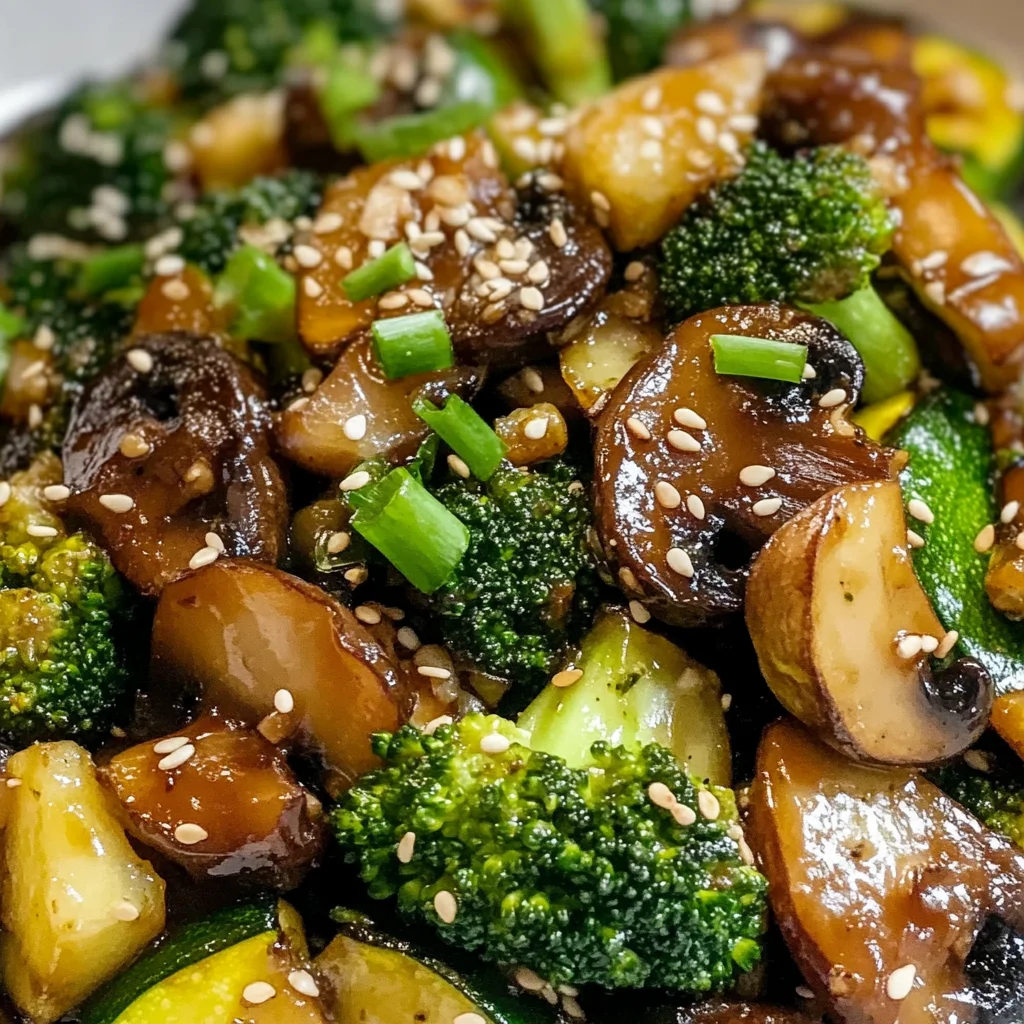
You’ll master crispy-tender zucchini, onions, mushrooms, and broccoli in just 15 minutes. The Hibachi Vegetables Recipe brings the vibrant flavors of Japanese steakhouses right to your kitchen. Perfect for any occasion, this dish is not only quick to prepare but also colorful and healthy. It’s a delightful side that pairs well with rice, noodles, or even as a topping for your favorite grain bowls.
Why You’ll Love This Recipe
- Quick Preparation: This recipe takes only 15 minutes from start to finish, making it ideal for busy weeknights.
- Flavorful Experience: A perfect blend of garlic, ginger, and soy sauce adds depth and richness to the vegetables.
- Versatile Dish: Enjoy it as a side dish or toss it with noodles for a complete meal.
- Health Benefits: Packed with nutrients from fresh vegetables like broccoli and zucchini, this recipe is both delicious and nutritious.
- Easy Clean-Up: One skillet means fewer dishes and more time to enjoy your meal!
Tools and Preparation
Before diving into this easy Hibachi Vegetables Recipe, gather your tools. Having the right equipment will help you achieve perfectly cooked veggies with ease.
Essential Tools and Equipment
- Large skillet or wok
- Spatula
- Cutting board
- Knife
Importance of Each Tool
- Large skillet or wok: Provides enough space for the vegetables to cook evenly without crowding.
- Spatula: Essential for flipping and tossing the veggies for even searing.
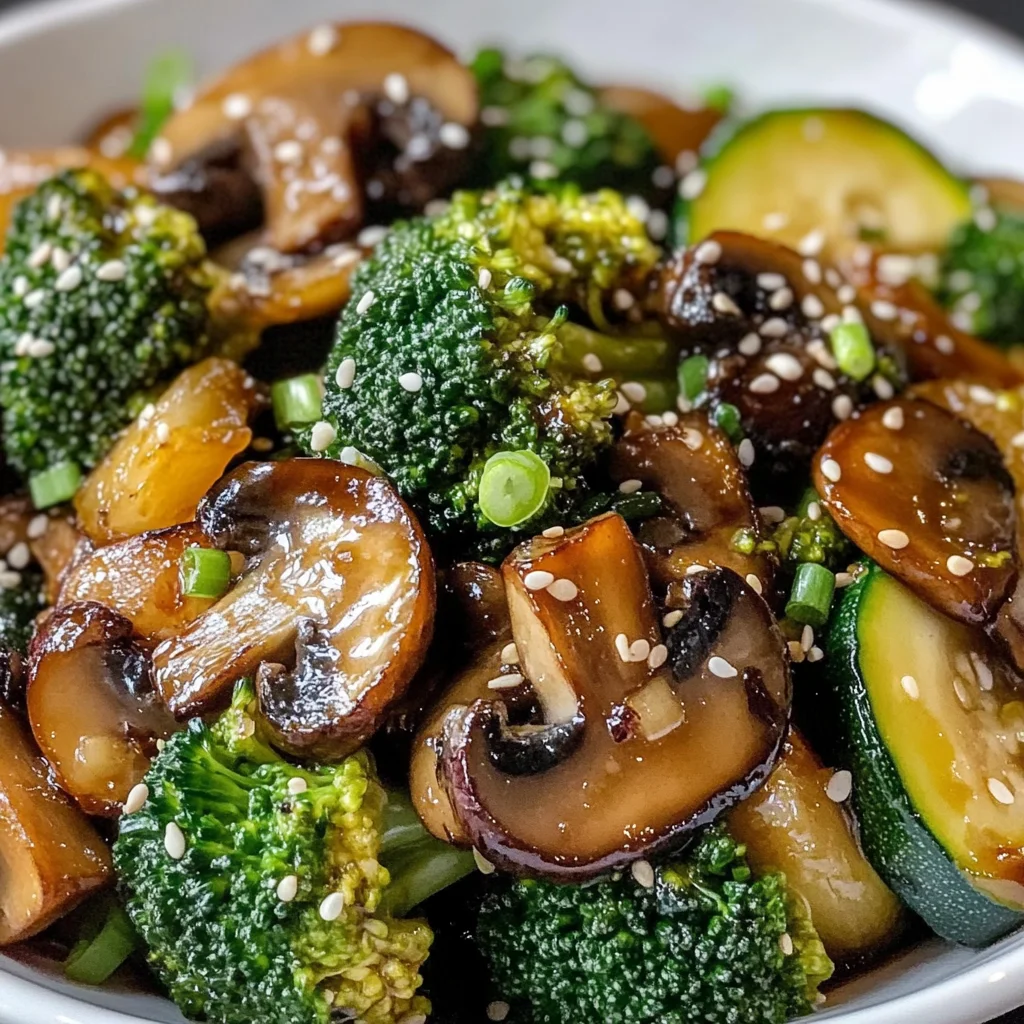
Ingredients
To make this vibrant Hibachi Vegetables Recipe, you’ll need the following ingredients:
Fresh Vegetables
- 1 medium zucchini
- 1 small yellow squash (optional)
- 1 small onion
- 1 cup cremini or white mushrooms
- 1 cup broccoli florets
Flavor Enhancers
- 2 tbsp neutral oil (canola or avocado)
- 2 tbsp unsalted butter
- 2 cloves garlic
- 1 tsp freshly grated ginger (optional, for a kick)
- 2 tbsp low-sodium soy sauce (or tamari for gluten-free)
- 1 tsp honey or sugar
- 1/4 tsp kosher salt
- 1/4 tsp black pepper
Garnishes
- Toasted sesame seeds & sliced green onion
How to Make Hibachi Vegetables Recipe
Step 1: Heat Your Pan
Heat a large skillet or wok over high heat until the oil shimmers. Flick in water; if it sizzles and vanishes, you’re ready to go.
Step 2: Sauté Onions
Add oil followed by the diced onion. Sauté for 1-2 minutes until they start to sweeten.
Step 3: Add Mushrooms and Broccoli
Stir in the mushrooms and broccoli florets. Sauté for about 2 minutes, allowing them to caramelize slightly.
Step 4: Incorporate Zucchini and Squash
Add the sliced zucchini (and yellow squash if using). Cook for another 2 minutes, flipping occasionally with your spatula. Be careful not to overcrowd the pan; work in batches if necessary!
Step 5: Aromatics Time
Push veggies aside in the pan. Add 1 tablespoon of butter along with minced garlic and ginger. Stir for about 30 seconds until fragrant.
Step 6: Sauce It Up!
Pour in soy sauce and honey. Toss all the vegetables to coat evenly. Let the sauce bubble up and glaze everything for about a minute.
Step 7: Final Touches
Add the remaining butter along with salt and black pepper. Toss again until melted and well-coated. Taste your dish and adjust seasoning if needed.
Step 8: Serve Hot
Transfer your colorful hibachi vegetables to a platter. Top with toasted sesame seeds and sliced green onions. Serve immediately alongside rice or noodles!
How to Serve Hibachi Vegetables Recipe
Serving hibachi vegetables can be a delightful experience, enhancing your meal with vibrant flavors and appealing presentations. Here are some creative ideas to elevate your dining experience.
Pair with Rice
- Steamed Jasmine Rice – Fluffy and fragrant, this rice complements the savory sauce of the hibachi vegetables perfectly.
- Fried Rice – Stir-fried with eggs and green onions, this dish adds a hearty touch to your meal.
Use as a Filling
- Stuffed Bell Peppers – Fill halved bell peppers with hibachi veggies, then roast until tender for a colorful dish.
- Tacos – Use warm tortillas to create veggie tacos topped with avocado and salsa for a fun twist.
Add Protein
- Grilled Chicken or Turkey – Serve alongside grilled chicken or turkey slices for a protein-packed meal.
- Tofu or Tempeh – For a plant-based option, add sautéed tofu or tempeh for extra texture and flavor.
Create a Buddha Bowl
- Buddha Bowl – Layer hibachi vegetables over quinoa or brown rice, adding chickpeas and avocado for a nutritious bowl.
How to Perfect Hibachi Vegetables Recipe
Perfecting your hibachi vegetables is easy with just a few tips. Follow these suggestions for the best results every time.
- Use High Heat – Cooking on high heat ensures quick cooking and helps vegetables retain their crispness.
- Don’t Overcrowd the Pan – Give vegetables space to caramelize properly. Cook in batches if necessary.
- Prep Ingredients Ahead – Having all ingredients ready helps maintain quick cooking and prevents burning.
- Adjust Seasoning – Taste the mixture before serving; adjust soy sauce and seasonings according to preference.
- Finish with Fresh Herbs – Adding fresh herbs like cilantro or basil at the end enhances freshness and flavor.
- Experiment with Veggies – Feel free to include other seasonal vegetables like bell peppers or snap peas for variety.
Best Side Dishes for Hibachi Vegetables Recipe
Complementing your hibachi vegetables with tasty side dishes can create a well-rounded meal. Here are some excellent options:
- Fried Rice – A classic that combines rice, vegetables, and protein for a satisfying side.
- Miso Soup – Light yet flavorful, this soup pairs beautifully with hibachi dishes.
- Edamame Beans – Steamed edamame sprinkled with sea salt offers a healthy snack option.
- Cucumber Salad – A refreshing salad made with sliced cucumbers, sesame oil, and vinegar adds crunch.
- Garlic Noodles – Tossed in garlic butter and soy sauce, these noodles are both simple and delicious.
- Tempura Vegetables – Lightly battered and fried veggies provide a crispy contrast to steamed dishes.
- Asian Slaw – A crunchy slaw made from cabbage, carrots, and sesame dressing brightens up the plate.
- Quinoa Salad – A nutritious salad mixed with herbs, tomatoes, and lemon juice brings freshness to the table.
Common Mistakes to Avoid
When making hibachi vegetables, it’s easy to make a few common mistakes. Here are some pitfalls to watch out for.
- Overcrowding the Pan: When you add too many vegetables at once, they steam instead of sear. Cook in batches for a better texture.
- Not Prepping Ingredients: Failing to chop vegetables in advance can lead to uneven cooking. Always prepare your ingredients before starting.
- Using Low Heat: Cooking on low heat prevents caramelization, making veggies soggy. Keep the heat high for that perfect crispy-tender finish.
- Skipping Seasoning: Neglecting to season your vegetables properly will result in bland flavors. Don’t forget salt, pepper, and your favorite sauces.
- Ignoring Cooking Times: Each vegetable cooks at different rates. Add them to the pan according to their cooking times for even tenderness.
Storage & Reheating Instructions
Refrigerator Storage
- Store hibachi vegetables in an airtight container.
- They will stay fresh for up to 3 days.
- Make sure they cool completely before sealing.
Freezing Hibachi Vegetables Recipe
- Freeze in a single layer on a baking sheet before transferring to a freezer-safe bag or container.
- They can be frozen for up to 2 months.
- Label containers with date and contents for easy identification.
Reheating Hibachi Vegetables Recipe
- Oven: Preheat oven to 350°F (175°C). Spread veggies on a baking sheet and heat for about 10 minutes until warmed through.
- Microwave: Place in a microwave-safe dish and cover. Heat on high for 1-2 minutes, stirring halfway through.
- Stovetop: Use a skillet over medium heat. Stir occasionally until heated through, about 5 minutes.
Frequently Asked Questions
What is the best vegetable combination for Hibachi Vegetables Recipe?
A mix of zucchini, mushrooms, onion, and broccoli works wonderfully. Feel free to include your favorites!
Can I customize the Hibachi Vegetables Recipe?
Absolutely! You can add bell peppers, snow peas, or carrots based on your preference.
How do I make Hibachi Vegetables Recipe gluten-free?
Simply use tamari instead of soy sauce to ensure it’s gluten-free while keeping all the flavor.
What can I serve with Hibachi Vegetables Recipe?
These veggies pair well with rice or noodles and can also be served as a side dish with grilled chicken or beef.
Can I make this recipe vegan?
Yes! Substitute butter with plant-based margarine and use soy sauce that fits your dietary needs.
Final Thoughts
This Hibachi Vegetables Recipe is not only quick but also versatile and vibrant. You can easily customize it by adding different veggies or proteins based on what you have at home. It’s a delightful way to bring restaurant-style dining into your kitchen!
Hibachi Vegetables Recipe
- Total Time: 15 minutes
- Yield: Serves 4
Description
Enjoy this quick and easy Hibachi Vegetables Recipe that brings vibrant flavors right into your kitchen—perfect for weeknight dinners!
Ingredients
- 1 medium zucchini
- 1 small onion
- 1 cup cremini or white mushrooms
- 1 cup broccoli florets
- 2 tbsp neutral oil (canola or avocado)
- 2 cloves garlic
- 2 tbsp low-sodium soy sauce
- Toasted sesame seeds (for garnish)
Instructions
- Heat a large skillet or wok over high heat until the oil shimmers.
- Add the diced onion and sauté for 1-2 minutes until sweetened.
- Stir in the mushrooms and broccoli; sauté for about 2 minutes.
- Add sliced zucchini; cook for an additional 2 minutes, flipping occasionally.
- Push vegetables aside, add minced garlic, and stir until fragrant (30 seconds).
- Pour in soy sauce and toss to coat; let bubble for about a minute.
- Add salt and pepper; toss again until well-coated.
- Serve hot, garnished with sesame seeds.
- Prep Time: 10 minutes
- Cook Time: 5 minutes
- Category: Side
- Method: Sautéing
- Cuisine: Japanese
Nutrition
- Serving Size: 1 cup (150g)
- Calories: 120
- Sugar: 5g
- Sodium: 320mg
- Fat: 7g
- Saturated Fat: 2g
- Unsaturated Fat: 5g
- Trans Fat: 0g
- Carbohydrates: 12g
- Fiber: 3g
- Protein: 3g
- Cholesterol: 0mg